


Top Picks for Best Mandolins: A Guide for Every Musician
Think of the sweet, intricate sound that gently pierces through the fabric of a bluegrass festival; it’s often the mandolin, with its distinct tone and cultural resonance, leading the auditory dance. Choosing the right mandolin is not just about buying a musical instrument—it’s about acquiring a partner in the creation of music that encapsulates myths, tells stories, and might even express the inexpressible. Top Picks for Best Mandolins: A Guide for Every Musician dives deep into the world of these fascinating instruments, helping you find the mandolin that will perfectly match your musical journey and style.
Beyond just aesthetics and historical allure, the functionality of a mandolin scales significantly across various brands and builds. From the handcrafted contours of a Gibson to the durable reliability of a Kentucky, each mandolin carries its own character. This guide not only underlines what makes each mandolin unique but also which model could be the right fit for your music—be it folk, classical, or rock’n’roll.
Gibson F5G
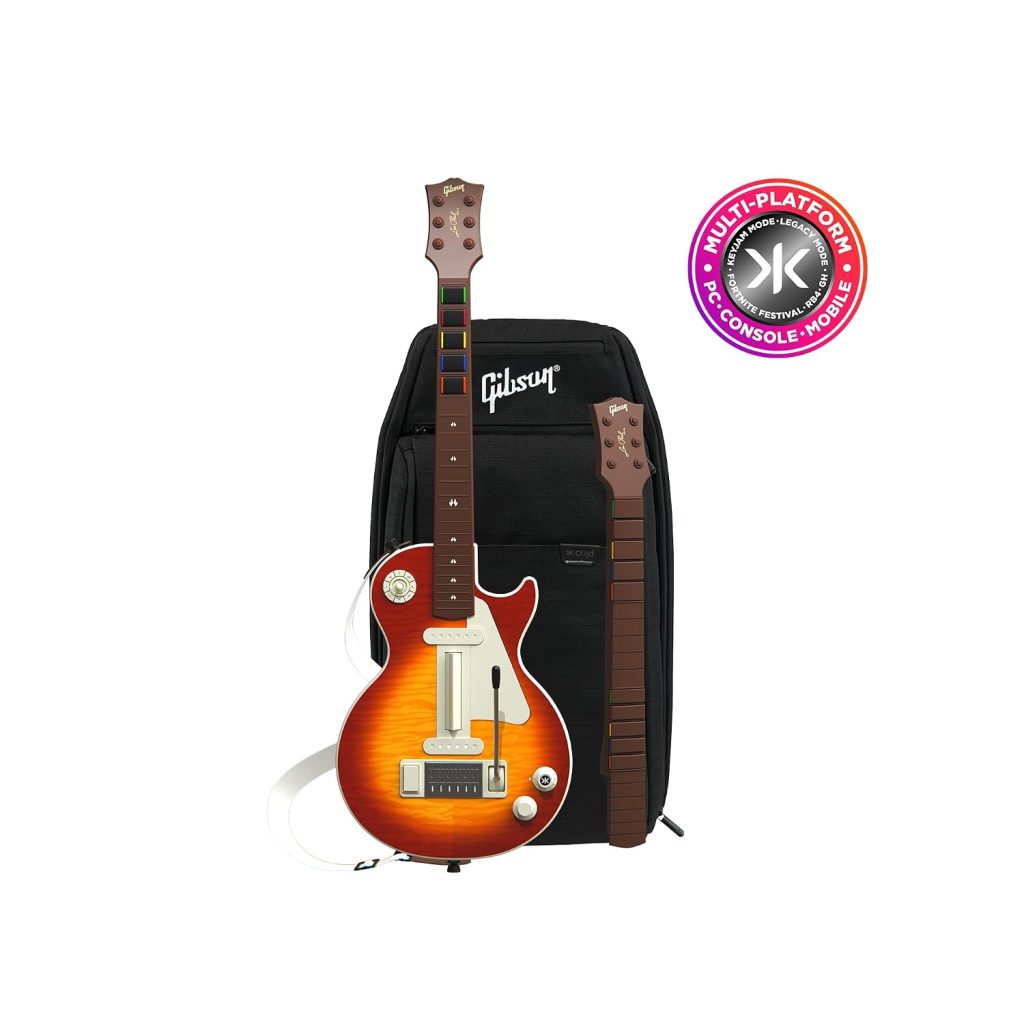
Gibson’s legacy in string instruments brings us the F5G mandolin, a piece exemplary of craftsmanship and tonal excellence. Designed for the professional musician who demands high-quality sound and reliability, the F5G’s solid spruce top resonates with clear, warm tones, making it a favorite in bluegrass circles.
Pros
- Exceptional clarity and projection
- Superior hand-finished details
- Adjustable truss rod for easy neck shaping
- Nitrocellulose finish for lasting beauty
- Supportive customer service and warranty
Cons
- Higher price point
- May require professional setup
Key Features & Benefits
The F5G from Gibson features a carved solid spruce top and maple back and sides, crafting a sound that’s both bold and nuanced. This mandolin isn’t just about the materials; it’s about how they’re transformed into an instrument that responds to the lightest touch with vibrant, expansive sound. What really makes the F5G stand out is its ability to uphold tradition while delivering such robust sound that can fill concert halls. The comfort of playing this mandolin is unparalleled, with a playability that suits both strumming and complex finger works.
For professionals, the F5G becomes an invaluable asset. Whether recording in a studio or performing live, the consistency in its tone and its reliable build means it can cope with extensive use without losing its charm or functionality. All these features translate to real value for musicians who need an instrument that could not only keep up with them, but also enhance their performance.
Kentucky KM-150
The Kentucky KM-150 offers a robust introduction to the mandolin world for beginners and intermediate players. With an emphasis on playability and affordability, it serves as an excellent stepping stone for those developing their mandolin skills.
Pros
- Solid Alpine spruce top for excellent sound resonance
- High-quality materials including maple neck and rosewood fretboard
- Adjustable truss rod for personal setup
- Attractive traditional satin finish
- Accessible price point
Cons
- May lack the finesses of professional models
- Requires regular maintenance to maintain playability
Key Features & Benefits
The KM-150’s solid Alpine spruce top and maple body not only make for a sturdy instrument but also ensure that it produces a clear, cutting tone that can punch through as a lead voice in ensemble settings. Beginners will find the neck’s shape conducive to learning both strumming patterns and more intricate fingerpicking styles. The design of this mandolin favors those looking to develop their skills without struggling against their instrument’s limitations.
Moreover, the Kentucky KM-150 is appreciated for its adaptability across different styles of music, providing a smooth sound that’s as fitting in a folk setting as it is in an Americana jam. Its durability and ease of maintenance make it a dependable choice for musicians who may not yet be ready to invest in a high-end mandolin but want a quality instrument to hone their craft.
How to Choose the Right Top Picks for Best Mandolins: A Guide for Every Musician
Choosing the right mandolin involves considering multiple factors that can significantly impact your music. The construction material affects the sound quality and durability. Solid woods like spruce and maple are top choices for producing clear, rich tones. The mandolin’s shape and size also influence its sound projection and playability, with larger bodies offering deeper tones. Additionally, a well-crafted neck with a comfortable grip can enhance playability and encourage practice sessions.
Performance is another key consideration. The mandolin should respond well to both gentle fingerpicking and more aggressive strumming techniques. Comfort should never be overlooked since you’ll spend many hours practicing. The ease of maintenance, including simple string changes and cleaning, should be factored in as well. Lastly, consider the warranty and customer support offered by the manufacturer, especially for higher-end models, to ensure your investment is protected. Budget constraints will also guide your choices, but remember that quality often comes at a higher initial cost but pays off in the long term.
FAQ
- What is the best mandolin for beginners? Beginners should look for mandolins that are easy to play and affordable, like the Kentucky KM-150, which offers solid construction and a forgiving learning curve.
- How do I maintain my mandolin? Regular cleaning, proper storage, and timely string changes are crucial. Additionally, monitoring the humidity and temperature can prevent wood damage.
- Can I use a guitar amplifier with my mandolin? Yes, but it’s ideal to use an amplifier specific to acoustic instruments for better sound fidelity.
- What should I look for in a mandolin if I play multiple music genres? Look for versatility in sound and build, such as the Northfield NF5S, which adapts well across various musical styles.
- Is an adjustable truss rod important? Yes, it allows for the adjustment of the neck’s relief to suit playing comfort and style.
- What’s the difference between A-style and F-style mandolins? A-style mandolins are teardrop-shaped and generally produce a warm, mellow tone, while F-style mandolins, with more elaborate design and pointed scrolls, are louder and brighter, ideal for bluegrass.
Conclusion
Choosing the perfect mandolin is a unique journey for each musician. Whether you’re a seasoned professional or just starting out, understanding the intrinsics of each mandolin can greatly influence your decision. The mastery embedded in the craftsmanship of Gibson mandolins might resonate with professionals, whereas the practicality and affordability of the Kentucky KM-150 might appeal to novices. There’s a distinctive sound, feel, and experience tied to each model, which shapes the music you create. Analyze your needs, consider your budget, and let your passion for music guide you to the right choice. Remember, the best mandolin will not just complement your music; it will enhance it and evolve with you.