

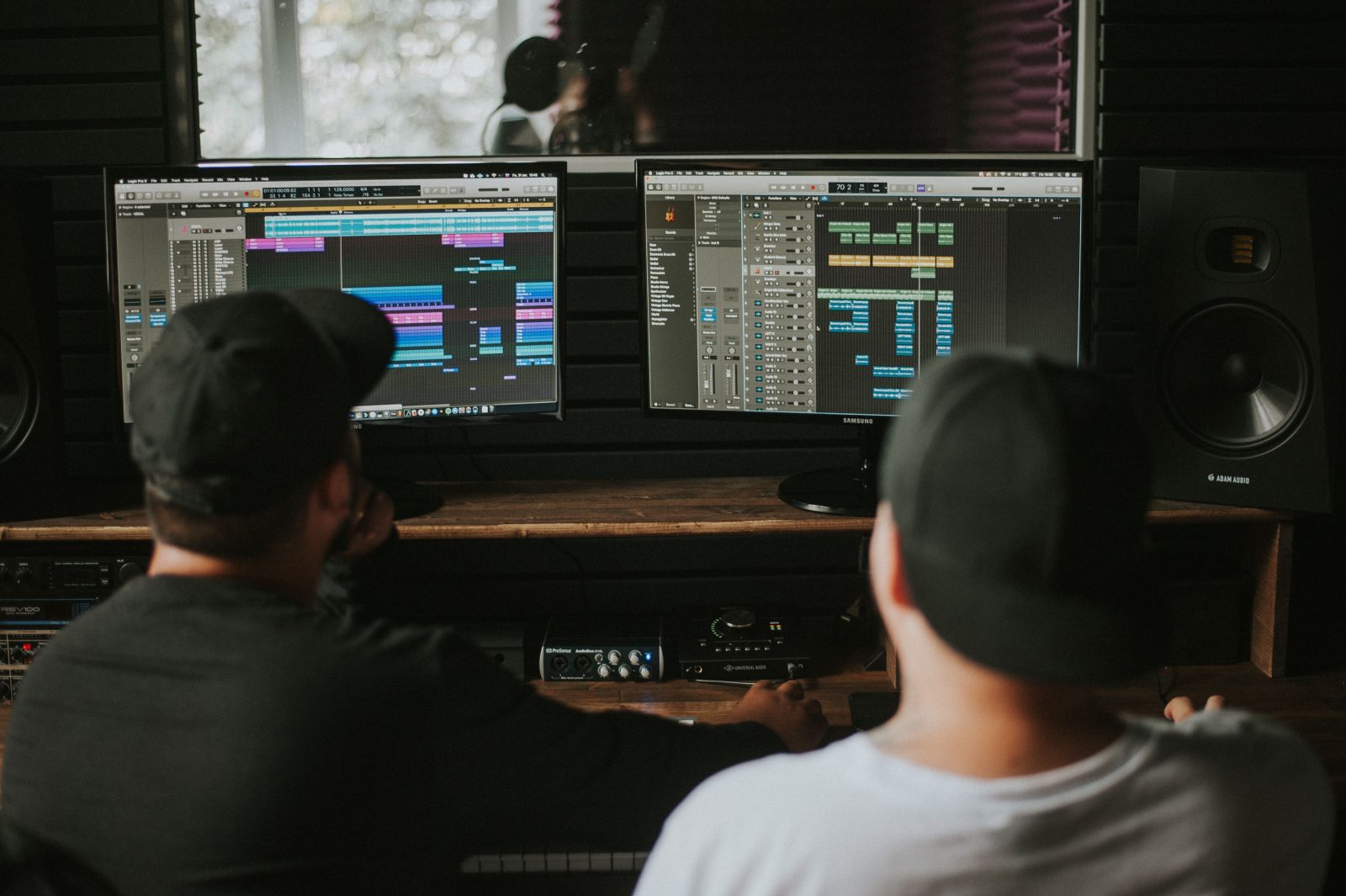
Best Studio Monitors for Music Production: Insights and Trends for Aspiring Producers
Imagine stepping into a space where every note and tone is as crisp as the artist intended—this is the power of a good studio monitor in music production. For aspiring producers, the choice of studio monitors can be pivotal in defining the clarity and depth of their audio work. Picking the right monitor is not just a matter of preference but understanding the subtleties that each model can bring to your music. This article dives into the crucial aspects of studio monitors that can help transform your home studio into a professional sonic environment.
Why do the nuances of studio monitors matter so much? Well, while listeners may use any sound output, producers must hear the sound in its purest form. This ensures that the music will sound great on any device. Here, we’ll explore top picks for studio monitors, tailored specifically for those new to music production. Whether you’re laying down your first track or looking to upgrade your current setup, the following insights will guide you through selecting a monitor that best fits your acoustic endeavours.
Before diving into the top studio monitors, let’s understand why these were chosen. Each monitor listed has been selected based on its performance, value for money, user feedback, and suitability for different production environments. From compact models for tight spaces to more robust ones offering detailed audio precision, we’ve covered a range of options to suit various needs and preferences.
1. Yamaha HS5
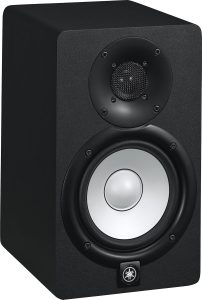
The Yamaha HS5 takes a well-deserved spot on our list, renowned for its accuracy and flat response—an essential feature for effective mixing. This monitor provides a clear representation of your mixes, enabling you to detect and rectify any flaws in the audio that might not be apparent on other speakers.
The HS5, part of Yamaha’s HS series, which is celebrated for emulating the legendary NS10’s sound characteristics, offers consistency and precision in sound across a broad variety of music genres. Its bi-amplified drivers and advanced magnetic field design reduce distortion and ensure a flat response across all frequencies.
Key Benefits
- Accurate and flat response for precise monitoring
- Ideal size for small to medium-sized studios
- High-quality components ensure durability
- Relatively affordable, making it accessible for beginners
2. KRK Rokit 5 G4
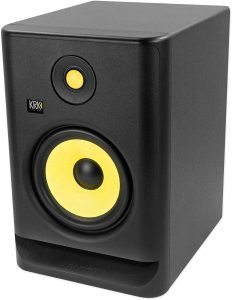
KRK’s Rokit 5 G4 stands out with its distinctive yellow cone and user-friendly features, making it a favorite among home studio owners. This monitor is not just about looks; it features DSP-driven Graphic EQ with 25 settings, helping producers fine-tune acoustics according to their studio space.
The KRK Rokit 5 G4 delivers consistently smooth and balanced sound, alongside its built-in brickwall limiter which ensures balanced dynamics, protecting your hearing and the monitor’s lifespan. This model adapts well to different acoustic environments, a big plus for producers who work in varied settings.
Features to Look For
- Graphical EQ for easy sound customization
- Low Distortion Kevlar drivers
- Built-in limiter for extended durability
- Versatile placement configurations
Expert Tips
When choosing a studio monitor, consider the specifics of your studio space, including size, shape, and typical sound levels. Make adjustments to your setup based on your acoustic environment to get the best out of your monitors. Also, remember that higher price doesn’t always equate to better performance; choose a monitor that fits your specific needs and budget.
Common Mistakes to Avoid
One widespread mistake is assuming that bigger monitors automatically deliver better sound. Opt for monitors that fit your space to avoid overwhelming your room with excessive bass or having too little power to properly mix. Similarly, avoid positioning your monitors against walls or corners where reflections can distort sound, and always ensure they’re set up symmetrically.
Frequently Asked Questions
How important is wattage in studio monitors?
Wattage affects the monitor’s headroom, which determines how loudly it can play without distortion. While important, it’s not the sole factor in choosing a monitor.
Can I use one monitor for production?
While possible, using a single monitor can hinder stereo image and detail perception. It’s recommended to use a pair of monitors for a balanced mix.
Do cables affect the sound quality of studio monitors?
High-quality cables can enhance reliability and reduce noise interference, though they are less likely to affect sound quality significantly.
Is room treatment necessary when using studio monitors?
Yes, room treatment can significantly improve sound quality by reducing unwanted reflections and enhancing acoustic accuracy.
What is the ‘sweet spot’ in studio monitoring?
The ‘sweet spot’ refers to the ideal listening position where audio imaging and flat frequency response are most accurate, typically centered between the two monitors.
Are there specific monitors for different genres of music?
While not genre-specific, certain monitors may enhance elements prevalent in particular types of music, like bass in electronic music or clarity in classical compositions.
Final Thoughts
Choosing the right studio monitor is a critical step in music production. The clarity, depth, and honesty of what you hear influence everything in your production process. Each of the monitors we’ve discussed today has its strengths, suited to different needs and environments. Reflect on what features resonate most with your creative process and space constraints. Remember, the best studio setup is one that complements your unique sound and workflow, enabling you to produce music that not only sounds good in your studio but everywhere.