
Best Digital Pianos for Home Practice: A Guide to Features and Value
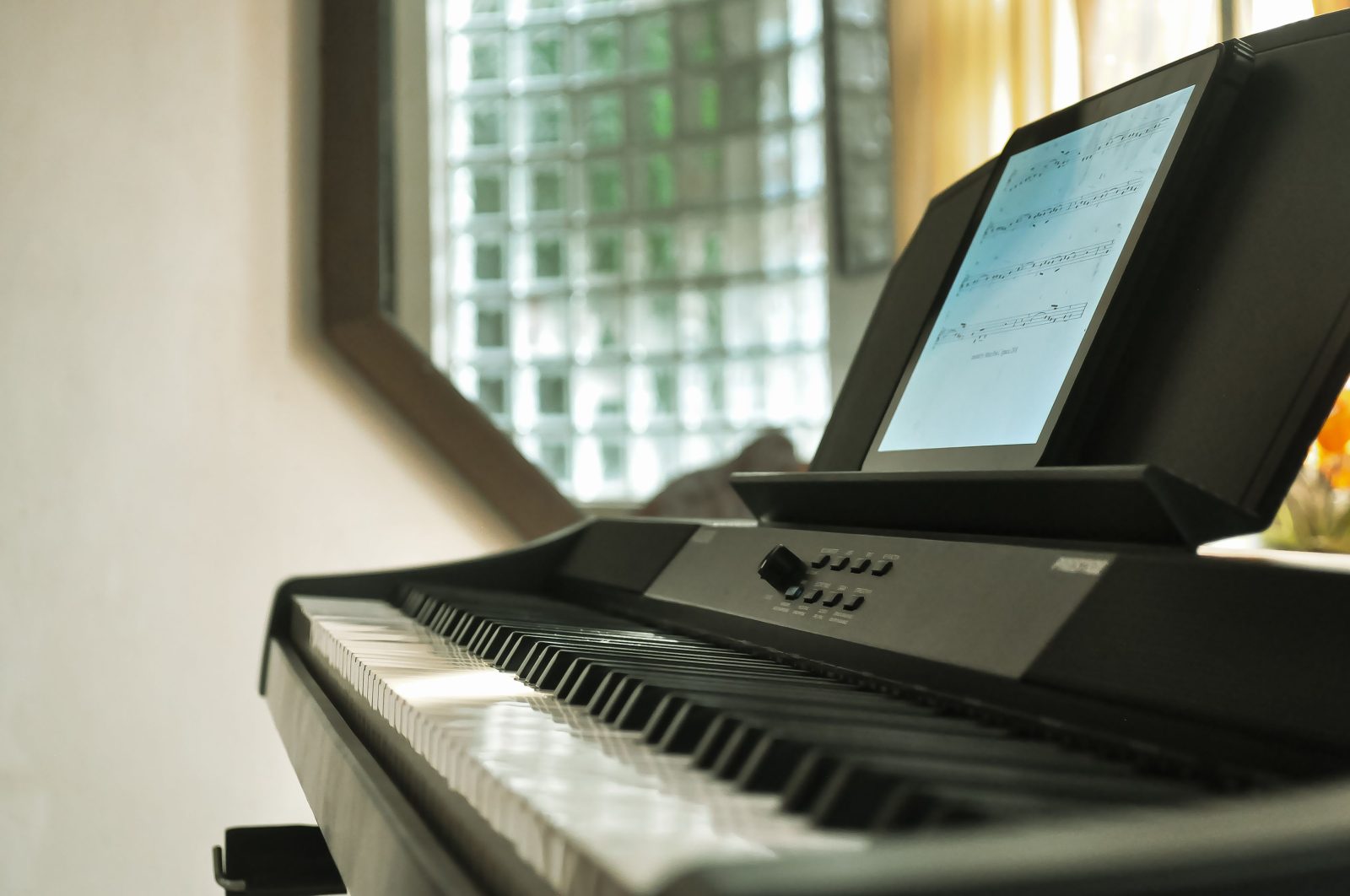
Have you ever stopped to consider the soothing sway of music flowing through your home, especially from a piano? Many envision grand acoustic pianos as the epitome of musical elegance, yet modern homes and compact lifestyles often call for a different choice: the digital piano. Opting for a digital piano doesn’t mean sacrificing the quality or range of expression found in traditional models. This guide is crafted to help you navigate the rich terrain of digital pianos, ensuring the one you choose enhances your music journey right from your living room.
Digital pianos today are engineered with an astounding array of features designed to cater to musicians of all levels. They serve not only as instruments but as comprehensive learning tools that fit neatly in your personal space. Whether you are a beginner aiming for improvement or an experienced player indulging in daily practice, there is a digital piano tailored just for your needs.
This discussion opens the lid on what makes certain digital pianos great for home practice. Here, you will find a selection curated for their standout features, quality, and consumer value. But before diving into the top picks, let’s understand why these particular models have earned their place in our lineup.
Why These Digital Pianos Stand Out
Our choices are grounded in versatile functionality, user-friendly interfaces, quality of sound, and authentic touch response. Each model promises durability and the ability to support a broad spectrum of musical expression and learning. From onboard lessons to recording capabilities, these pianos are more than mere instruments; they are gateways to musical exploration at home.
1. Yamaha P-125 Digital Piano
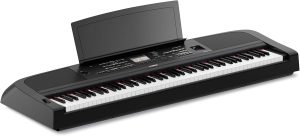
The Yamaha P-125 provides a perfect blend of digital innovation and acoustic tradition. Renowned for its simplicity yet sophisticated performance, it fits into both small corners and vast musical arrangements. Its 88 fully weighted keys simulate the touch of an acoustic piano, bringing an authentic feel to your fingertips.
Key Benefits
- Graded Hammer Standard (GHS) keyboard for realistic key action
- Pure CF Sound Engine recreates the tone of the acclaimed Yamaha CFIIIS concert grand piano
- Compact design, suitable for small spaces
- Integrated 2-track recorder for practice and composition
2. Casio Privia PX-770
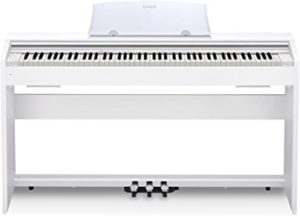
The Casio Privia PX-770 stands out for its impressive Tri-Sensor Scaled Hammer Action Keyboard II, designed to provide an authentic piano touch. Coupled with its AiR Sound Source system, this digital piano produces rich, resonant sounds that closely mimic those of acoustic pianos, making it ideal for nuanced performances in the quiet ambience of your home.
Key Benefits
- Tri-Sensor keyboard for detailed expression
- Concert Play feature allows playing along with classical recordings
- Elegant cabinet with sliding key cover enhances any room decor
- Built-in metronome, recorder, and split and layer capabilities enrich practice sessions
Expert Tips
When selecting a digital piano for home practice, consider your living space and the piano’s sound quality through its speakers versus headphones. Also, think about the responsiveness of the keys and the piano’s ability to simulate different acoustic environments, which can significantly enhance your playing experience. Regularly updating the piano’s software, if available, can keep it compatible with the latest music education software.
Common Mistakes to Avoid
Many beginners choose digital pianos solely based on price or recommendations from friends. While budget is important, ensuring the piano meets your specific needs is crucial. Avoid overlooking features like key action and sound quality, which are vital for progressing in playing skills. Additionally, don’t assume all digital pianos have the same features; variations in connectivity options, learning tools, and sound customization can be significant.
Frequently Asked Questions
Can digital pianos replace acoustic ones?
While digital pianos strive to mimic the touch and sound of acoustic pianos, each type has its unique benefits. For many practical purposes, especially within home environments and for learners, digital pianos offer a sufficient and space-saving alternative.
Do I need weighted keys?
Weighted keys are recommended if you aim to build finger strength and technique comparable to playing an acoustic piano. They provide a more realistic playing experience and help in transitioning to acoustic pianos in the future.
What is polyphony in a digital piano?
Polyphony refers to the number of individual notes or tones the piano can produce at one time. Higher polyphony allows for more complex and richer-sounding pieces to be played without notes dropping out.
How often should I update the software of a digital piano?
This depends on the model. Some digital pianos come with integrated software that may require occasional updates to keep up with new features or compatibility enhancements. Checking with the manufacturer’s recommendations is the best approach.
Final Thoughts
Securing the right digital piano can transform your home practice into a dynamic and fulfilling experience. Remember, a good digital piano is not merely reflected by its price or brand but by how well it matches your personal music goals and lifestyle. Explore these recommendations, consider the nuances of each model, and choose one that promises to bring music to life in your very own living space. Happy playing!