
Best Electric Guitars for Rock Music: A Guide to Legendary Sounds
Imagine the roaring crowd, the pulsating drums, and the iconic riffs that define generations; now, picture yourself leading the charge with a guitar that sings as loudly as your passion for rock music. Choosing the perfect electric guitar is like choosing a battle companion—it must complement your style and elevate your sound. This guide explores the best electric guitars for rock enthusiasts, ensuring every strum resonates with the spirit of the genre. Whether you’re practicing in your room or gearing up for a gig, the right guitar makes all the difference.
Rock music has a rich history characterized by loud, aggressive melodies and iconic guitar solos. The electric guitar is not just an instrument but a statement of style, culture, and individuality. Therefore, selecting an electric guitar that suits your rock aspirations is crucial for anyone looking to make their mark in this thrilling musical landscape.
To help you on your quest, we’ve assembled a comprehensive list of top electric guitars that are celebrated for their performance in rock music scenarios. These instruments were picked based on their quality, sound versatility, build, and how they have been used by legendary musicians to create some of the most unforgettable music performances ever.
1. Gibson Les Paul Standard
The Gibson Les Paul Standard has been an emblem of rock music since its introduction in the 1950s. Known for its rich, powerful tones and sustain, it has been the guitar of choice for icons like Slash and Jimmy Page.
Key Benefits
- Exceptional sustain and resonance due to its solid mahogany body.
- Versatile sound profiles with its dual humbucker pickups.
- Classic aesthetic with a variety of beautiful finishes.
- Comfortable playability with its well-contoured body.
This model’s charm lies in its ability to produce a warm, expressive sound that can pivot from smooth blues to hard rock with just a tweak of the volume knob. Its resilience and iconic status make it a safe and rewarding choice for both budding and experienced musicians.
While the Gibson Les Paul is a heavyweight—literally and figuratively—in the world of electric guitars, its bulk might be a limiting factor for younger, smaller-framed players. However, its tonal qualities and unmatched presence on stage are often considered well worth the compromise.
2. Fender Stratocaster
Another masterpiece from the golden age of rock, the Fender Stratocaster offers a crisp, bell-like tone and a sleek, ergonomic design. It was made famous by legends like Jimi Hendrix and Eric Clapton who exploited its whammy bar and three pickups for creative sound manipulation.
Key Benefits
- Clear, articulate sound ideal for detailed guitar work.
- Light and comfortable body suitable for long performances.
- Flexible sound settings provided by its triple-pickup configuration.
- Iconic design recognized and revered worldwide.
The Stratocaster is particularly renowned for its ability to slice through dense band arrangements with its sharp tonality, making it perfect for lead guitarists. The floating bridge provides a tremolo effect, allowing players to bend pitches and add unique expressions to their playing.
However, it is essential to note that the Strat’s single-coil pickups might introduce unwanted noise if not properly shielded—something to consider if you’re looking to play in high-gain settings typical of heavier rock genres.
3. Ibanez RG Series
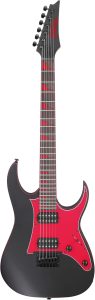
The Ibanez RG series is synonymous with the modern rock and metal scenes. Developed in the late 1980s, these guitars have become a staple for shredders and progressive musicians alike due to their fast necks and versatile pickup configurations.
Key Benefits
- Ultra-fast neck design suitable for complex solos.
- Diverse range of sounds from clean to extreme distortion.
- Double-locking tremolo systems for stable tuning under aggressive playing.
- Modern aesthetics with sharp contours and various finish options.
Whether you’re diving into brisk solos or chugging heavy riffs, the RG’s robust build and ergonomic design facilitate speed and comfort. It’s a top pick for players looking to push the boundaries of speed and technicality in rock music.
Its versatility comes at a complexity cost; new players might find its wide array of features daunting. Nonetheless, those willing to master its potential will find it an invaluable asset in their musical arsenal.
Expert Tips
When selecting your ideal rock guitar, consider the music you love to play and see which guitars your favorite musicians prefer. Test different models for comfort and sound; remember that an electric guitar is as much about personal fit as it is about aesthetics and build. Pay special attention to the neck’s shape and the body’s weight—these factors greatly influence playability.
Common Mistakes to Avoid
Many newcomers to rock music rush into buying an instrument without fully understanding their needs. Avoid getting a guitar solely based on looks or because it’s the same model used by your favorite artist. Each player’s touch and play style is unique, so a guitar should match your personal ergonomics and sound preference.
Frequently Asked Questions
What makes an electric guitar suitable for rock music?
An electric guitar suitable for rock music often features solid build quality, powerful pickups, sustain capabilities, and flexible sound manipulation to accommodate various rock subgenres.
Are expensive guitars always better?
Not necessarily. While high-end guitars often offer superior materials and craftsmanship, many mid-priced models offer exceptional quality and performance suitable for professional playing.
Can beginners buy these guitars?
Absolutely. However, beginners should seek models that are comfortable and easy to play while providing enough versatility to explore different rock styles.
Is a heavier guitar better for rock?
A heavier guitar generally provides better sustain and warmer tones but may not be as comfortable for every player, especially during long gigs or practices.
How important is the guitar’s appearance?
While the look of the guitar can be inspirational and boost your stage presence, it should not overshadow considerations like sound quality and comfort.
What about the resale value of these guitars?
Brands like Gibson and Fender maintain strong resale values due to their iconic status and widespread acclaim in the music industry.
How can I test the guitar correctly before purchasing?
Always test guitars in a quiet environment with a setup similar to how you would use it at home or on stage. Try various playing styles and switch between different settings to evaluate its range and responsiveness.
Final Thoughts
Choosing the right electric guitar for your rock journey is a blend of passion, practicality, and a bit of soul-searching. The models highlighted in this guide offer a spectrum of sonic possibilities that cater to various facets of rock music. Remember, a great rock guitar isn’t just about loud and aggressive tones; it’s also about the finesse and subtleties that can be manipulated to define your unique sound. Dive into the world of riffs and solos knowing you have a tool designed to express the rock legend within you.