
Best Microphones for Singing and Recording: Discover Quality and Clarity in Every Note
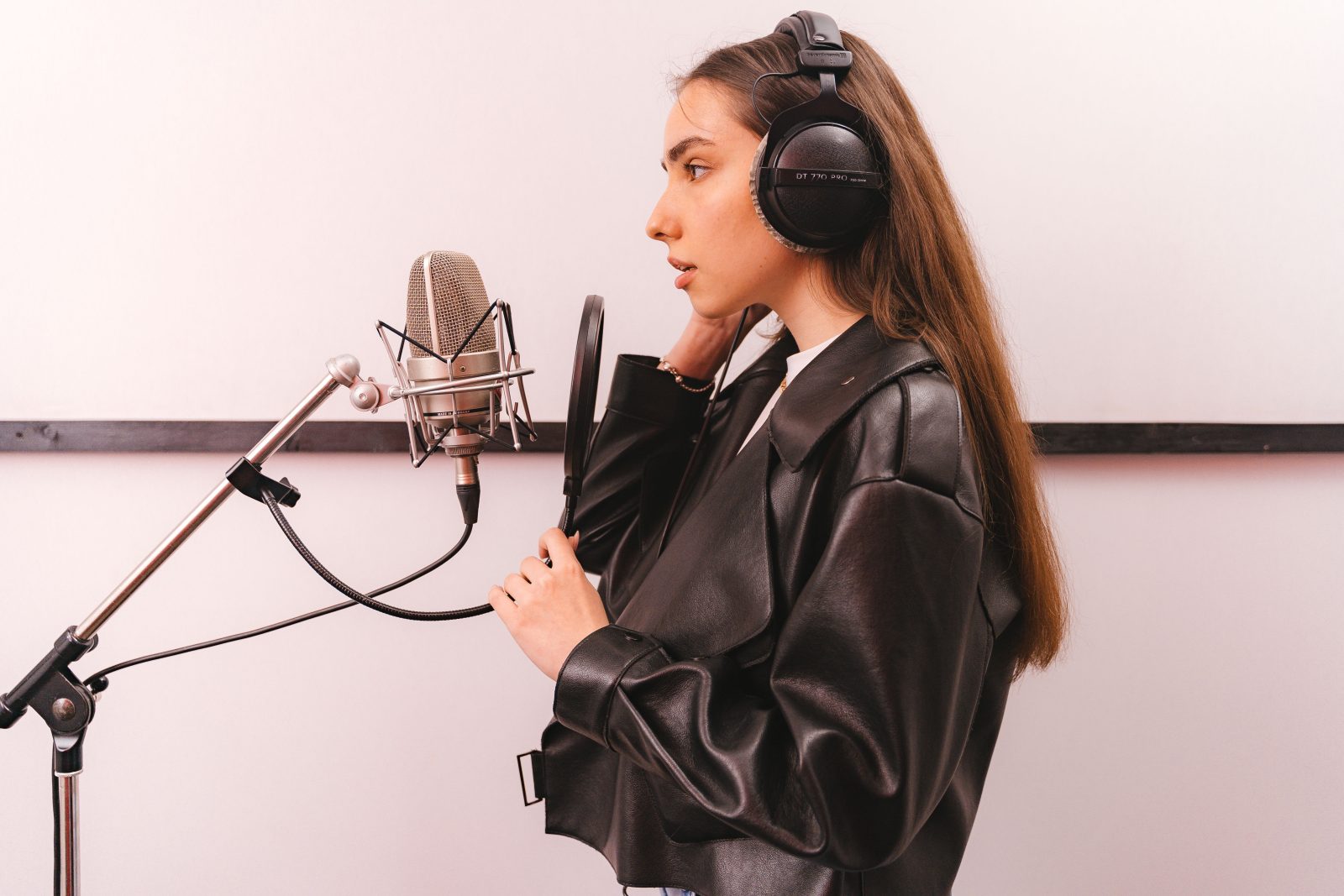
Imagine yourself in a dive bar or a grand theatre; what elevates your experience is often the captivating clarity of the artist’s voice, effortlessly floating across the room. This enchantment owes much to the unsung hero of any performance: the microphone. Selecting a microphone that complements the nuances of the human voice isn’t just about buying a gadget; it’s about choosing an instrument that becomes the faithful translator of your artistic expression. For budding vocalists and seasoned recording artists alike, understanding which microphone to use can dramatically influence the quality of your work and the connection with your audience.
In the following exploration, we delve into a carefully selected collection of microphones tailored for singing and recording, highlighting why each stands out. Whether you are recording covers in your makeshift home studio or taking center stage in a local gig, your choice of microphone can either be a limit or a launchpad. Our aim is simple: to help you make an informed, sound-enhancing decision.
Introduction to the Selection
With the vast array of microphones available on the market, selecting the right one can feel overwhelming. Our criteria focus on sound quality, durability, ease of use, and cost-effectiveness. The following microphones were chosen for their proven track records in delivering clarity and depth, going beyond the standard specifications to provide genuine auditory enhancements for singers and recorders across varying genres and environments.
1. Shure SM7B
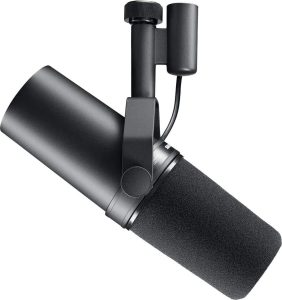
The Shure SM7B is a dynamic microphone that has gained iconic status in the recording industry thanks to its warm, smooth sound and its ability to minimize background noise. Originally famed for its use by Michael Jackson during the recording of his album ‘Thriller’, this microphone has a rich history.
Key Benefits
- Exceptional rejection of electromagnetic hum and computer noise.
- Flat, wide-range frequency response suitable for both singing and speech.
- Adjustable mounting, easy integration into any studio setting.
- Shielded against broadband interference.
Recording artists value the Shure SM7B for its versatility and reliability, often endorsing it as the go-to microphone for vocal recording sessions as well as podcasting and broadcasting settings.
2. Audio-Technica AT2020
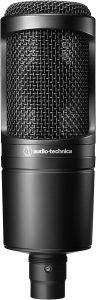
The Audio-Technica AT2020 represents a sterling combination of affordability and performance, making it a favorite among home studios and beginner recordists. It excels as a condenser microphone that brings professionalism to vocal recordings without the hefty price tag.
Key Benefits
- High SPL handling and wide dynamic range provide unmatched versatility.
- Cardioid polar pattern reduces pickup of sounds from the sides and rear, improving isolation.
- Custom-engineered low-mass diaphragm provides extended frequency response and superior transient response.
This microphone offers a practical entry point for those looking to step up their recording game with crisp, clear audio capture.
Expert Tips
Choosing the right microphone involves understanding your specific needs and the acoustics of your recording environment. Consider the genre of music, the typical volume levels, and whether you need a microphone that excels in a live setting, studio, or both. Different microphone types (dynamic, condenser, ribbon) serve different purposes and excel under different conditions.
Common Mistakes to Avoid
Many beginners make the mistake of opting for microphones that are beyond their needs or not suited to their immediate environment. Avoid purchasing highly sensitive microphones if you are recording in untreated spaces—the excess ambient noise can actually worsen your recordings. Prioritize your acoustic setting and desired sound characteristics before making a purchase decision.
Frequently Asked Questions
Are expensive microphones always better?
Not always. While higher-priced microphones often provide enhanced audio quality and durability, many mid-range microphones offer exceptional clarity and performance that can meet the needs of most novice and intermediate users.
How do I know if a microphone is good for live performances or recording?
Dynamic microphones are generally preferred for live performances due to their durability and moisture resistance, whereas condenser microphones are favored in studio settings for their sensitivity and wide frequency response.
Can the same microphone be used for different types of vocals?
Yes, but some microphones are better suited to certain styles or vocal ranges. It’s important to test how a microphone responds to your specific vocal characteristics.
Final Thoughts
Choosing the right microphone for singing and recording can transform your audio projects from good to great. Whether you’re performing live or laying down tracks in the studio, the correct mic not only captures but enhances your unique vocal quality. Consider your environment, the nature of your performances, and, most importantly, your specific vocal needs when selecting a microphone. With the right tool, every note you sing will be crystal clear, touching your audience just as you intended.